
Sports have always gone beyond entertainment, becoming at key historical moments a powerful instrument for political expression and internationalizing national causes. Football, in particular, has played this role clearly across the globe—from Africa and Europe to Western Sahara, which today seeks to establish its sporting presence using soft diplomacy.
Establishing the Sahrawi Football Federation: A Step Towards Soft Diplomacy
On February 8, 2026, the Sahrawi Arab Democratic Republic (SADR) officially announced the formation of its Football Federation in Algiers. The federation aims to organize football activities and represent Western Sahara in sports through an institutional framework.
This initiative takes place within a broader context: Western Sahara is a founding member of the African Union and enjoys recognition from several countries in Africa, Asia, and Latin America.
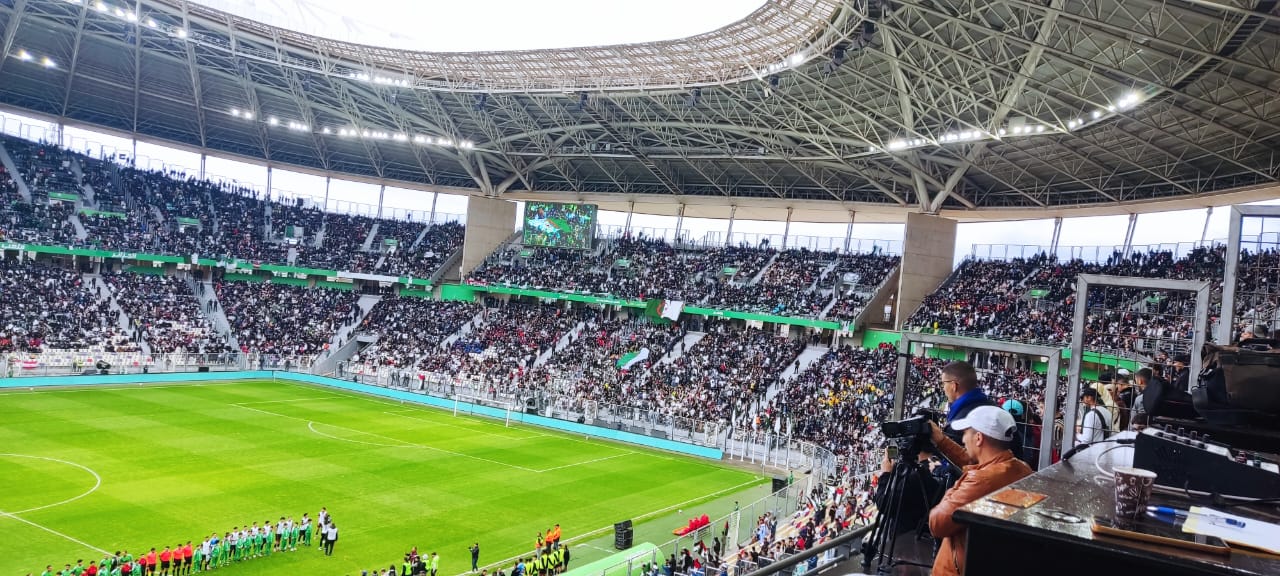
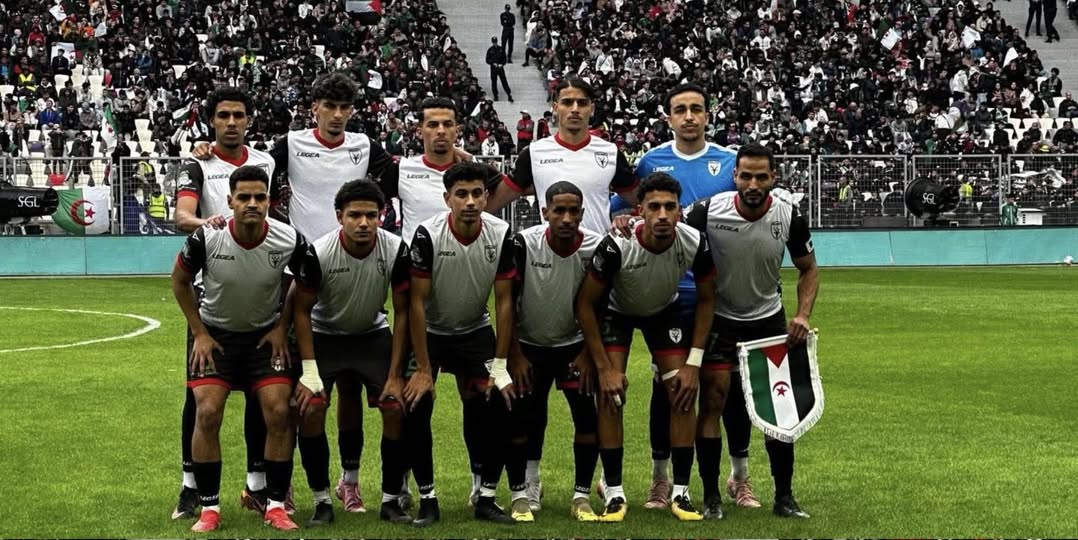
On February 13, 2026, Nelson Mandela Stadium in Baraki hosted a friendly match between the Sahrawi national football team and a team of Algerian veteran players. This symbolic match was attended by officials and sports figures and was part of the 50th anniversary of the Sahrawi Republic.
Sports Around the World: Lessons from Algeria, South Africa, and Ireland
The Western Sahara experience reflects a long history of using sports to communicate internationally and promote national causes:
- Algeria (1958–1962): The National Liberation Front football team pioneered sports diplomacy. Touring Africa, Europe, and Asia, the team carried the Algerian flag before independence, highlighted the national cause internationally, and built political and popular support for the revolution.
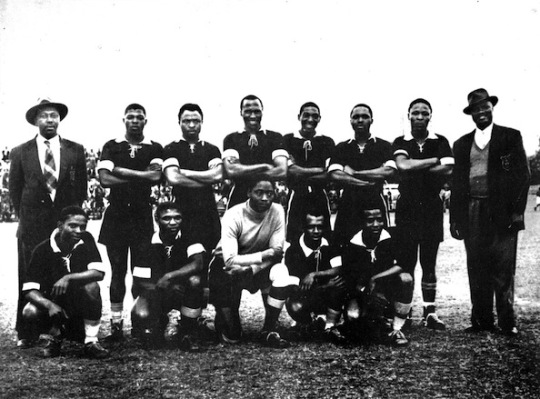
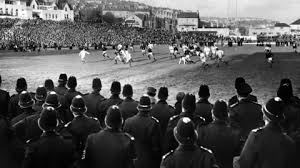
- South Africa (1960s–1990s): Sports played a dual role. International boycotts targeted South African teams during apartheid, while stadiums later became platforms for national reconciliation. Sports applied political and moral pressure, contributing to international isolation of the apartheid regime and helping rebuild national identity post-liberation.
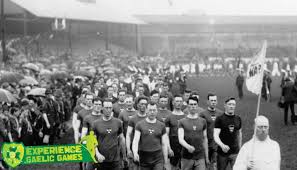
- Ireland (late 19th–20th century): Through the Gaelic Athletic Association (GAA), sports became closely tied to the national movement, preserving cultural and political identity under British rule. Stadiums served as symbolic spaces to protect language, heritage, and national identity while mobilizing communities toward independence.
These examples show that sports—through national teams, boycotts, or cultural preservation—can internationalize causes and communicate political and ethical messages globally. This is the approach now adopted by Sahrawi football.
Popular Will and International Support: Sahrawi Football Facing Challenges
Despite the symbolic importance of this initiative, Sahrawi football faces real challenges:
- Lack of recognition by international sports organizations
- Funding and organizational difficulties
Nevertheless, sports remain one of Western Sahara’s tools of soft power, helping project its voice internationally and support its right to self-determination.